
Social Media Marketing
Introduction
Social media has become a central part of everyday life, and for businesses, it has turned into one of the strongest channels to connect with people. Whether a brand wants visibility, engagement, trust, or sales, social platforms offer endless possibilities. Social media marketing is now a key strategy for any business that wants to stay relevant in the digital age.
Understanding Social Media Marketing
Social media marketing is the process of promoting a brand through platforms like Instagram, Facebook, YouTube, LinkedIn, X, and others. It is not just about posting content. It is about communicating with your audience in a meaningful way. When done right, it helps a brand tell its story, build relationships, and stay top of mind.
Why Social Media Matters for Businesses
People spend a major part of their day on social platforms. This makes it the perfect place for brands to reach their audience naturally. Instead of interrupting customers with traditional ads, social media allows businesses to become part of their daily lives. It gives brands the space to be creative, authentic, and approachable.
Building a Strong Brand Presence
A successful social media strategy begins with consistency. When a brand shows up regularly with valuable and engaging content, people begin to recognize it. Over time, this recognition turns into familiarity, and familiarity builds trust. Once trust is established, customers feel confident choosing the brand over others.
The Power of Storytelling
People connect emotionally with stories, not sales messages. Social media allows businesses to share behind-the-scenes moments, customer experiences, challenges, and victories. These glimpses into the brand’s journey create a deeper connection. Storytelling makes the brand memorable and relatable, something audiences naturally respond to.
Engaging With Your Audience
Social media is a two-way space. It is not enough to simply post and move on. Responding to comments, answering questions, and interacting with followers builds a sense of community. When customers feel valued, they stay loyal, and loyal customers often become natural promoters of the brand.
Cost-Effective Marketing That Delivers Results
Traditional advertising often requires a large budget. Social media, on the other hand, allows even small businesses to reach thousands of people with minimal spending. With targeted advertising options, brands can focus on specific groups based on age, interests, location, and online behavior. This makes every rupee count and brings better results.
Creativity and Flexibility in Content
One of the biggest strengths of social media is its creative freedom. Brands can use photos, videos, reels, stories, live sessions, and long-form posts to express themselves. Every format offers a different way to connect. Experimenting with different approaches helps brands understand what their audience enjoys the most.
Staying Updated With Trends
Social media trends change quickly, and brands that adapt early often gain an edge. Whether it is a new feature, a viral trend, or a shift in audience behavior, staying updated helps businesses remain fresh and relevant. Adaptability is one of the key qualities that lead to long-term success on social platforms.
Wrapping Up
Social media marketing has completely transformed the way businesses communicate. It combines creativity, connection, and community in one powerful space. When a brand uses social media with clarity and intention, it opens the door to stronger relationships and faster business growth. In today’s world, mastering social media is not just an advantage. It is a necessity for anyone who wants to stand out and succeed.

Search Engine Optimization
In a world where customers rely on search engines for almost everything, appearing at the top of search results has become essential for any business that wants to grow online. Search Engine Optimization, commonly known as SEO, is the process of improving your website so that it ranks higher on search engines like Google. When done correctly, SEO helps you attract quality traffic, build credibility, and create long-term growth without having to rely heavily on paid ads.
SEO is not just about adding keywords. It is about understanding what people search for, what answers they expect, and how your website can provide the most valuable experience. Search engines look at hundreds of factors to decide which page deserves to appear first. This is where a strong SEO strategy makes a difference.
What SEO Really Means
SEO focuses on making your website more relevant, more trusted, and more user-friendly. Search engines want to show the best and most helpful results to their users. When your website aligns with that goal, it naturally earns better rankings. SEO includes improving your content, organizing your pages in a clean structure, ensuring fast loading speed, and making your site easy to navigate. All these actions help search engines understand your website and recommend it to the right audience.
How SEO Works in Practice
Whenever someone types a question or keywords into Google, the search engine scans millions of pages to find the most suitable answers. Google uses algorithms that evaluate content quality, relevance, website reputation, user experience, and many other signals. SEO ensures your website matches these requirements and stands out among competitors.
There are three main parts to this process. The first is on-page optimization, which focuses on the content on your website. This includes adding valuable information, organizing headings, using keywords naturally, and making sure every page has a clear purpose. The second part is technical SEO, which deals with the behind-the-scenes structure of your site. Technical SEO ensures your website loads quickly, works well on mobile devices, and is easy for search engines to crawl and read. The third part is off-page SEO, which builds your website’s reputation through backlinks, reviews, mentions, and authority across the internet.
The Role of Quality Content
High-quality content is at the heart of SEO. Search engines want to provide accurate, helpful, and well-written information to users. When your content answers questions in a clear and meaningful way, it earns more visibility. This is why blogs, guides, articles, and well-structured service pages are important for SEO success. When visitors spend more time on your pages, interact with your content, and explore more sections of your website, it signals to search engines that your site is valuable.
Why SEO Matters for Business Growth
A strong SEO strategy helps businesses reach customers at the exact moment they are searching for related services or products. This type of visibility is far more valuable than traditional advertising because it connects you with people who already have interest and intent. Over time, SEO builds trust, increases brand awareness, and drives organic traffic that keeps growing without additional ad spending.
SEO also creates a strong foundation for all other digital marketing activities. Whether you are running ads, posting on social media, or sending email campaigns, everything performs better when your website is optimized. Most importantly, SEO provides long-term results. Once your site gains authority, it continues to attract visitors even when you are not actively promoting it.
Wrapping Up
SEO is an essential part of digital marketing and one of the most powerful ways to grow online. It helps your website reach the right audience, improves user experience, strengthens trust, and builds long-lasting visibility. In a competitive digital world, businesses that invest in SEO gain a clear advantage over those that don’t. With the right strategy, consistent updates, and quality content, SEO can transform your online presence and become a major source of traffic and revenue.
Web Designing
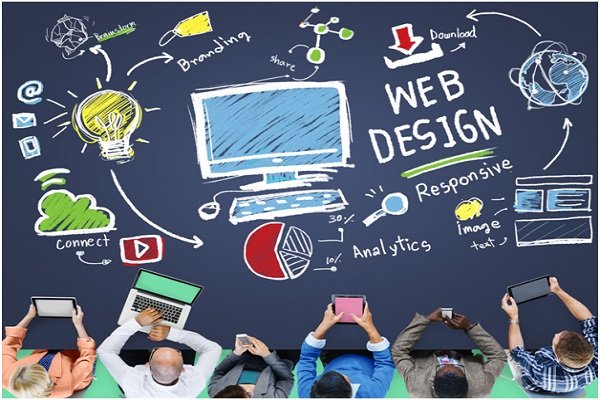
Web designing has become one of the most important elements of building a strong online identity. When a customer visits a website, the design is the first thing they notice. It creates an instant impression about the brand and influences whether the visitor wants to stay, explore, or leave within seconds. This makes web designing a crucial part of today’s digital world, where attention spans are short and competition is high.
Web designing is the process of shaping the visual and interactive aspects of a website. It focuses on layout, colors, typography, spacing, images, and overall user experience. The goal is simple: create a website that looks appealing, feels intuitive, and guides users smoothly through the content. A good design not only reflects the brand’s personality but also ensures that visitors enjoy the experience.
What Web Designing Really Means
Web designing goes far beyond selecting colors and adding images. It requires creative thinking, strategic planning, and an understanding of how users behave online. A website must be visually balanced, easy to navigate, and consistent from one page to another. Web designers use tools and design principles to create an interface that feels modern and user-friendly.
The design phase includes planning the structure of the website, choosing the right fonts, defining the style, arranging elements in the correct order, and ensuring that everything supports the brand message. Every small detail matters, from the size of the buttons to the spacing between sections, because each element plays a role in shaping the user experience.
The Role of User Experience (UX)
A major part of web designing is understanding user experience. UX ensures that visitors can move through the site effortlessly. If users struggle to find information or if a page feels confusing, they will leave quickly. Good UX design avoids this by creating a smooth journey.
A well-designed website guides visitors step by step. It highlights what is important, removes distractions, and presents content in a logical order. This makes it easier for users to understand what the brand offers and take action whether it is reading more, filling out a form, or making a purchase.
Visual Design and Branding
Every brand has a unique identity, and web designing helps bring that identity to life. Colors, fonts, shapes, and images all work together to communicate the brand’s personality. A luxury brand may choose elegant typography and minimalistic layouts, while a creative brand may use bold colors and expressive visuals. These design choices influence how users feel when they browse the website.
A strong visual design builds trust. When a website looks polished and professional, users are more likely to see the brand as reliable. This trust becomes a foundation for building long-term relationships with customers.
Responsive Design for Modern Users
People use phones, tablets, and laptops to browse the internet. This means a website cannot be designed only for desktop screens. Web designing today must include responsive design, which ensures that a website adapts smoothly to different screen sizes. A responsive website adjusts layout, images, and text so that users get the same quality experience on every device.
Responsive design is also important for search engine visibility. Search engines prefer mobile-friendly websites and reward them with better rankings. This makes responsive design both a user and business advantage.
The Impact of Good Web Design on Business Growth
A well-designed website has a direct impact on how customers perceive a business. First impressions matter. When users see a clean, attractive, and easy-to-use website, they immediately feel more connected to the brand. Good design helps reduce bounce rates, increases time spent on the site, and improves conversions.
Businesses that invest in strong web design often see better engagement, stronger branding, and higher customer satisfaction. A website becomes more than just an online presence; it becomes a digital experience that communicates value and builds trust.
Wrapping Up
Web designing plays a central role in shaping the online presence of any business or individual. It blends creativity, strategy, and user psychology to create websites that look beautiful and function effortlessly. In an era where users judge brands within moments, a well-designed website serves as a powerful tool for making a lasting impression.
Digital Marketing Services
The online world has become the center of how people search, shop, learn, and interact with brands. For any business that wants to stay relevant and competitive, having a strong digital presence is now a basic requirement. Digital marketing services help businesses reach the right audience, increase visibility, build trust, and convert online visitors into loyal customers.
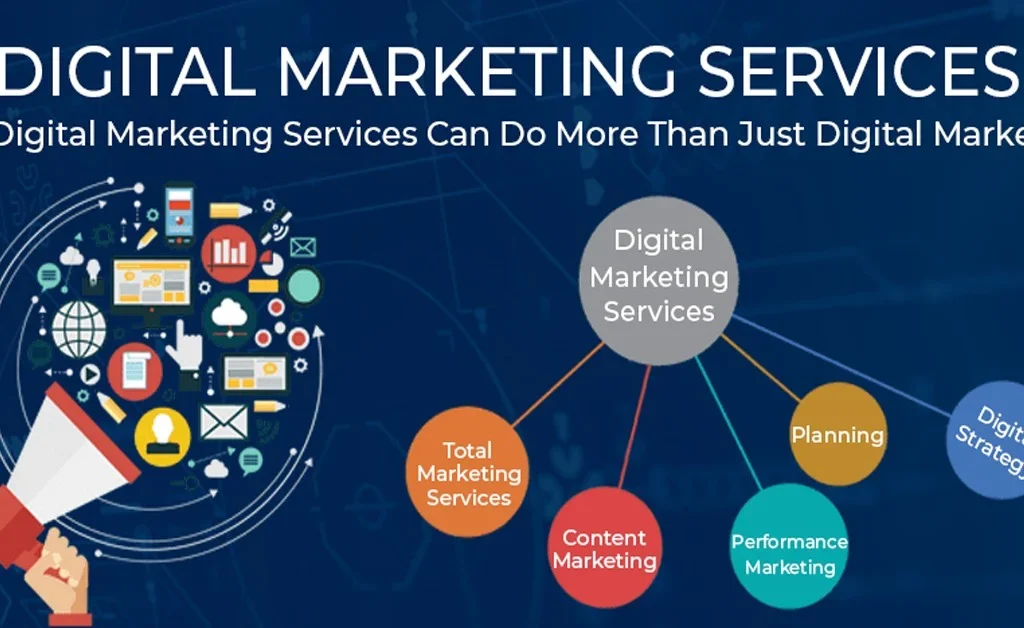
Digital marketing brings together different online strategies that work across search engines, social media, websites, email platforms, and digital ads. When these strategies are combined correctly, they create a powerful online ecosystem that supports the long-term growth of a brand.
What Digital Marketing Services Mean for a Business
Digital marketing services refer to all the methods used to promote products or services using online platforms. Instead of relying on traditional advertising alone, brands use digital channels where customers spend most of their time. Search engines, social media, websites, email, and paid ad networks play a major role in attracting and engaging customers.
Why Digital Marketing Is Important Today
Consumers make most of their decisions online, which makes digital marketing a powerful way to meet them where they are. It offers measurable results, better targeting, more affordability, and long-term visibility. Businesses of all sizes can compete equally when they use digital strategies effectively.
Major Services That Help Businesses Grow Online
Search Engine Optimization (SEO)
SEO focuses on improving your website’s ranking on Google so that people find your business when they search for relevant information. It involves optimizing content, improving website structure, fixing technical issues, researching keywords, and building authority. SEO helps bring long-lasting organic traffic without any paid advertising.
Social Media Marketing
Social media platforms allow brands to create engaging content, build relationships, and develop a community. Businesses can share posts, videos, reels, and run targeted promotions on platforms like Instagram, Facebook, LinkedIn, and YouTube. Effective social media marketing increases brand visibility, strengthens trust, and attracts potential customers.
Pay-Per-Click Advertising
PPC advertising gives instant visibility by placing your ads on Google, YouTube, and social media platforms. You pay only when someone clicks on your ad, which makes it highly efficient. It is ideal for businesses that want quick results, increased leads, and precise audience targeting.
Content Marketing
Content marketing focuses on creating useful and informative content that answers customer questions and builds trust. Blog posts, website content, social media captions, videos, and guides are all part of content marketing. Good content improves brand authority and helps customers understand your services clearly.
Email Marketing
Email continues to be one of the most effective ways to communicate with customers. Businesses use newsletters, updates, offers, and automated sequences to stay connected. Email marketing helps nurture leads, increase repeat sales, and maintain a long-term relationship with customers.
Website Design and Development
A professional website is the foundation of your digital presence. It needs to be fast, visually appealing, mobile-friendly, and easy to navigate. A well-designed site helps build trust, supports branding, and improves conversions.
Branding and Creative Services
Strong branding ensures that your business has a consistent and recognizable identity. This includes logo design, brand colors, visual style, and marketing creatives. Good branding makes a business memorable and helps it stand out in a competitive market.
How Digital Marketing Supports Business Growth
Digital marketing helps businesses attract quality traffic, generate leads, build awareness, and improve customer engagement. It allows companies to understand user behavior through analytics and make decisions based on real data. When done consistently, digital marketing creates long-term value and improves overall revenue.
Wrapping Up
Digital marketing services have become an essential part of modern business growth. With the right mix of SEO, social media, paid advertising, content creation, branding, and email campaigns, businesses can reach the right audience and build a powerful online presence. A well-planned digital strategy not only increases visibility but also builds trust and drives steady business results.